D It can synthesize mRNA in the 5 to 3 direction. It performs the 5-3 polymerase function which means that it adds nucleotides to the 3 end of the forming DNA strand during replication.

Specific Enzymes Involved In Replication Dna Replication Mcat Content
Which of the following statements best describes DNA polymerase.
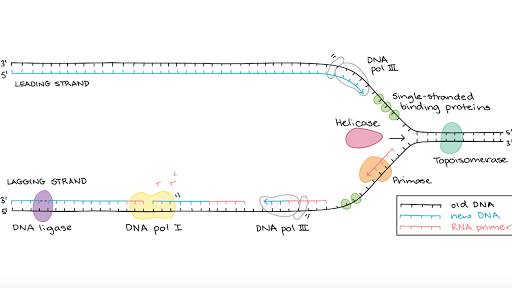
. A DNA polymerase-DNA synthesis B DNA polymerase-primer removal and replacement with DNA C DNA primase-production of RNA primer D topoisomerase-separates double-stranded DNA into single strands. It is an enzyme that polymerizes the DNA and keeps the replication fork open. C replacing RNA primers with DNA.
33 separates the DNA strands during replication Answer. B proofreading each added nucleotide for correct base pairing. Used in transcription during G phases Used in replication during S phase.
DNA polymerases require a primer to provide a free 3 hydroxyl group for initiation of synthesis. To copy the entire genome. DNA polymerase 𝟄 The main function is DNA repair.
All of the following are functions of DNA polymerase in DNA replication except A covalently adding nucleotides to the new strands. The main function of DNA polymerase is to synthesize a new DNA strand. Include the following in describing the process and tell the function of each.
To make RNA copies of genes. Its main function is to replicate new DNA strands from an original DNA strand. View the full answer.
It is an enzyme required to produce a primer needed for DNA replication. DNA polymerase performs several functions during replication. DNA Polymerase DNA repair DNA replication TLS translesion synthesis fidelity.
Which of the following best describes the function of DNA polymerase I. During the replication the DNA polymerase always pairs Adenine. DNA Pols are central players in DNA repair and replicationthe processes that duplicate genomes and maintain their integrity to ensure faithful transmission of genetic information from one generation to other.
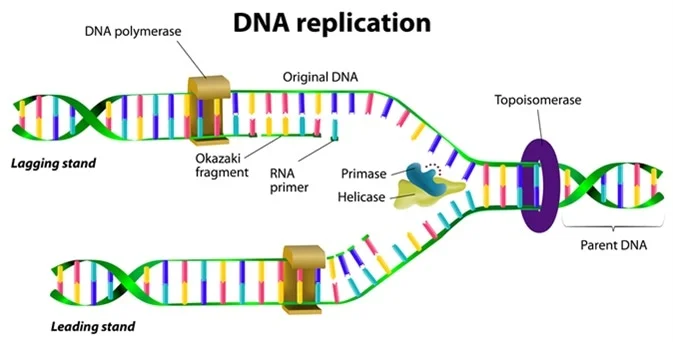
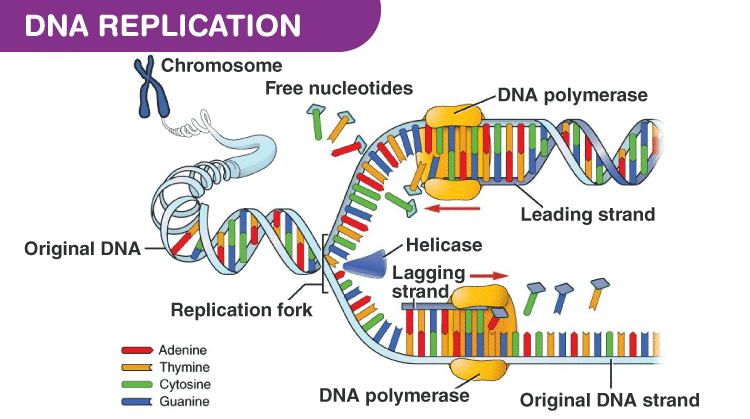
Before replication can start the enzyme helicase unwinds the two DNA strands. DNA polymerase I i. DNA polymerase III cannot add free nucleotides to these strands until primers have been added by.
DNA synthesis DNA proofreading removes RNA primers and fills in the gaps DNA synthesis and proofreading DNA synthesis DNA proofreading and removes RNA primers and fills in the gaps Question 2 The. Apart from this DNA polymerase is also involved in correcting the errors of added nucleotides in a process known as proofreading. Question 1 The function s of DNA polymerase includes which of the following.
This RNA strand is called the primary transcript and. It forms a primer for Okazaki fragments which is then extended by DNA polymerase 𝝳. The function of DNA polymerases is to synthesize complementary strands during DNA replication.
The function DNA polymerase includes. A RNA polymerase RNAP or ribonucleic acid polymerase is a multi subunit enzyme that catalyzes the process of transcription where an RNA polymer is synthesized from a DNA template. 05 point removing RNA and replacing it with dNTPs primary DNA replication enzyme in the polymerization of nucleotides initiation of DNA synthesis removing a nucleotide that forms a mismatched base pair covalently joining two strands of newly synthesized DNA.
The answers may be used once more than once or not at all. Describe the process of DNA synthesis replication. The sequence of the RNA polymer is complementary to that of the template DNA and is synthesized in a 5 3 orientation.
DNA polymerase 𝜶 The main function of DNA polymerase 𝜶 is to synthesize primers. Which of the following proteins-functions is mismatched. The main function of DNA polymerase is to make DNA from nucleotides the building blocks of DNA.
The smaller subunit has a primase activity. The largest subunit has polymerization activity. C It can synthesize mRNA in the 3 to 5 direction.
B It can synthesize DNA in the 3 to 5 direction. A It can synthesize DNA in the 5 to 3 direction. Both strands become templates for replication.
Required for initiation of replication. In other words after replication there will be two new daughter DNA strands which carry the same genetic information with the original DNA strand. The primers used for most in vitro polymerization reactions are single-stranded DNAs typically 6 to 20 bases in length called oligonucleotides.
Not required for transcription. DNA Polymerase III c. This chapter focuses on DNA polymerases Pols and their functions.
Here we review the properties and functions of DNA polymerases focusing on yeast and mammalian cells but paying special attention to the plant enzymes and the special circumstances of replication and repair in plant cells. It is an enzyme required to glue pieces of DNA fragments together. Given that this particular mutation results in a major amino acid change from serine to proline in the Polq1 gene this seminal discovery stimulated a new line of research aimed at elucidating the function of this previously uncharacterized gene product referred to as Polθ which includes a C-terminal A-family DNA polymerase and an N-terminal.
Which of the following is true about DNA polymerase. DNA polymerase lambda poll is a recently identified DNA polymerase 1 belonging to the X family that includes the well-known polb and the recently discovered polm and pols 2 3. 32 removes the RNA nucleotides from the primer and adds equivalent DNA nucleotides to the 3 end of Okazaki fragments Answer.
There are several forms of DNA polymerase that play a role in DNA replication and they usually work in pairs to copy one molecule of double-stranded DNA into two new double stranded DNA molecules. DNA polymerase is a type of enzyme that can be found in every cell. Base pairs used to synthesize product.
DNA polymerase I E.
Mechanism Of Dna Synthesis
Molecular Mechanism Of Dna Replication Article Khan Academy
Dna Polymerase Structure Types And Functions



0 Comments